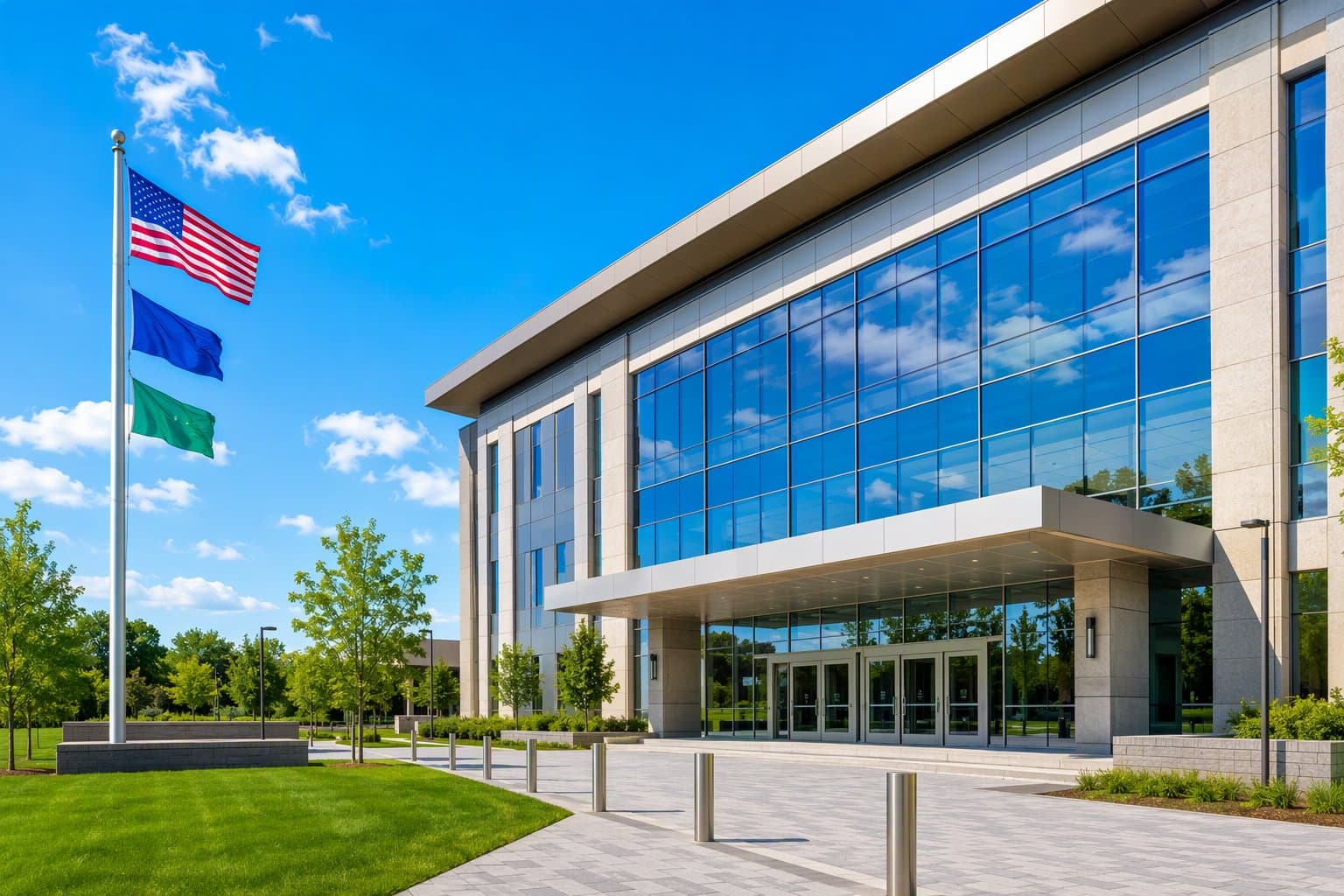
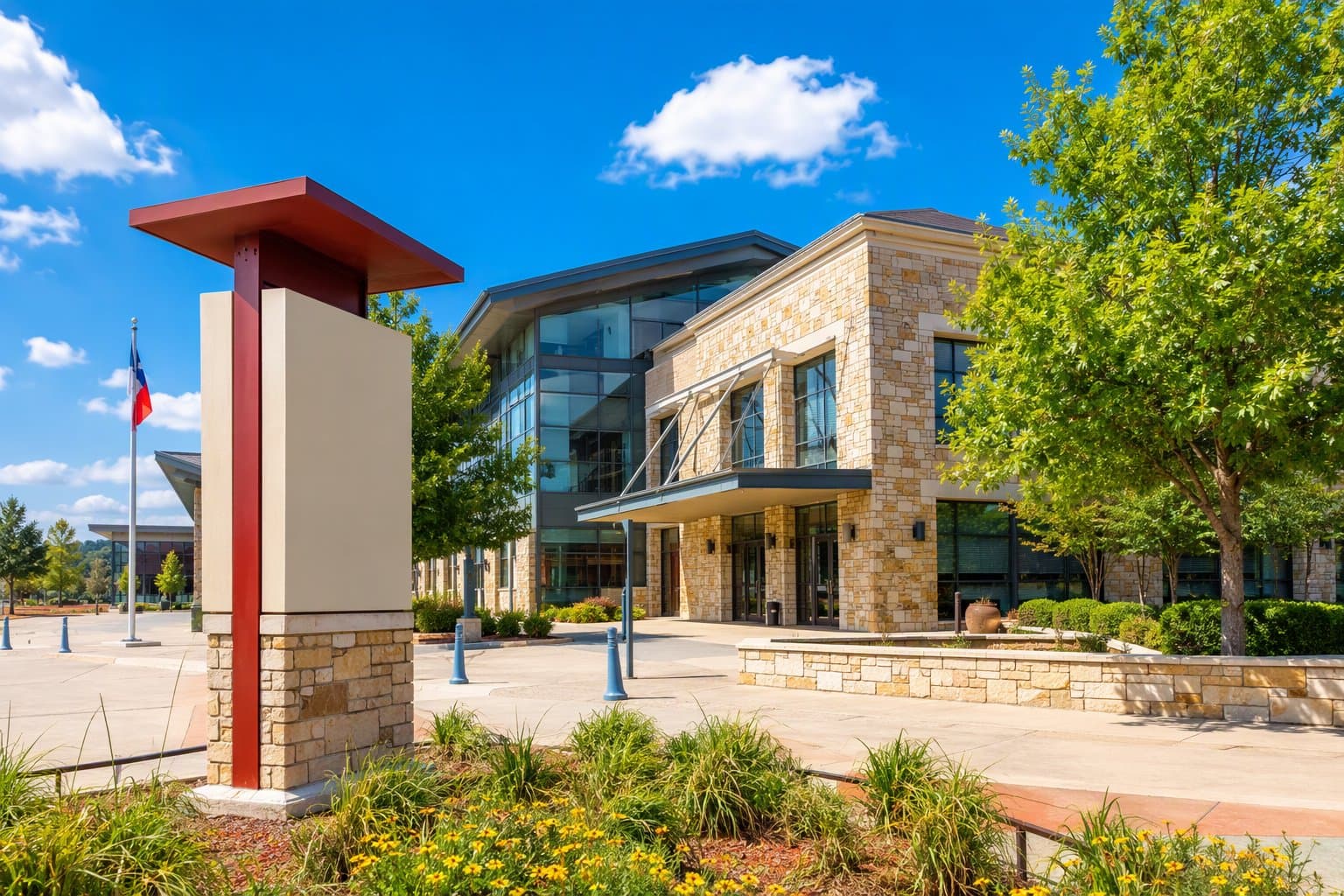
McKinney ISD trustees are set to vote Monday night on a $225,011 asbestos removal contract, the first step in turning the building that housed the district's disciplinary alternative campus into offices for its maintenance department.
The building on White Avenue at Redbud Boulevard dates to 1971. The district bought it from a church congregation in 1997, and it served as the McKinney Learning Center, the district's disciplinary alternative education program, until the program relocated to a former elementary school.
How the plan changed
According to a memo to the board from Superintendent Shawn Pratt and Chief Operations Officer Greg Suttle, the district had been designing a new maintenance building east of its Central Distribution Center on Interchange Street, north of the State Highway 5 and U.S. 380 intersection. That building was originally part of the 2016 bond.
While that design was underway, the district decided to repurpose three elementary schools. That let the McKinney Learning Center relocate into part of the McNeil Learning Academy, the former McNeil Elementary, where the memo says the program has a gym, kitchen and cafeteria for the first time.
With the White Avenue building empty, the district chose to move maintenance administration there from its North McDonald Street site instead of building new offices. The memo calls the White Avenue location much more central and says reusing the building will save bond money. It also says the district has discussed the move with the City of McKinney and that the city agrees with it.
A warehouse would still have to be built on open land just north of the building, and architects at Corgan have begun designing it.
Why the asbestos has to come out
State-required testing found asbestos in the glue that holds carpet and vinyl tile to the concrete slab, and on interior wall surfaces that had been sealed under paint. The memo says state rules allow that material to stay in place as long as it is not disturbed, and that undisturbed it is not airborne.
Because some rooms will be reworked for offices, it has to be removed first. The memo adds that the material would also have to be removed if the district ever sold or demolished the building.
The proposal from HP EnviroVision, priced under an existing cooperative contract, covers sealed work areas of up to 11,369 square feet, removal of about 6,099 square feet of drywall and about 16,207 square feet of textured block walls, and disposal of shelves, cabinets and whiteboards attached to affected walls. State health officials must be notified 10 working days before work begins.